

NASA develops electric vehicle batteries with twice the energy Density of Tesla electric vehicles
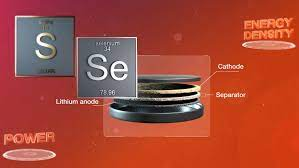
NASA reported that experimenters working within the frame of the Cutlasses( Solid- state Architecture Batteries for Enhanced Rechargeability and Safety) design have achieved an emotional result – they managed to make a traction battery with an energy density of 500 W h/ kg. This figure is further than twice the capacity of the traction batteries of ultramodern electric vehicles.
Interestingly, NASA was doing exploration as part of its Convergent Aeronautics results design – that is, for aeronautics. still, new batteries may find wider operations.
In the process of R&D, the specialists of the US space department managed to discover a new system of packing cells, which made it possible to reduce the mass of the battery by 30- 40 and double the energy density compared to current traction batteries. In comparison, the Tesla 4680 “ biscuit ” battery used in the Model Y has an energy density of lower than 300 Wh/ kg, while the energy density in the forthcoming CATL M3P phosphate batteries for the base Model Y is only 160 Wh/ kg.
So what makes the SABERS battery so good? The thing is that in a promising NASA battery, the cells don't have individual packaging – they all fit simply on top of each other. This design isn't only lighter and further compact than the traditional design, it also demonstrates the continuity essential in moment’s solid- state batteries. Tests conducted by NASA have shown that Cutlasses can repel temperatures doubly as high as ultramodern lithium- ion batteries in electric vehicles can repel before bursting into dears. This makes it suitable for use in aircraft, where battery conditions are much more strict than in electric vehicles.

